
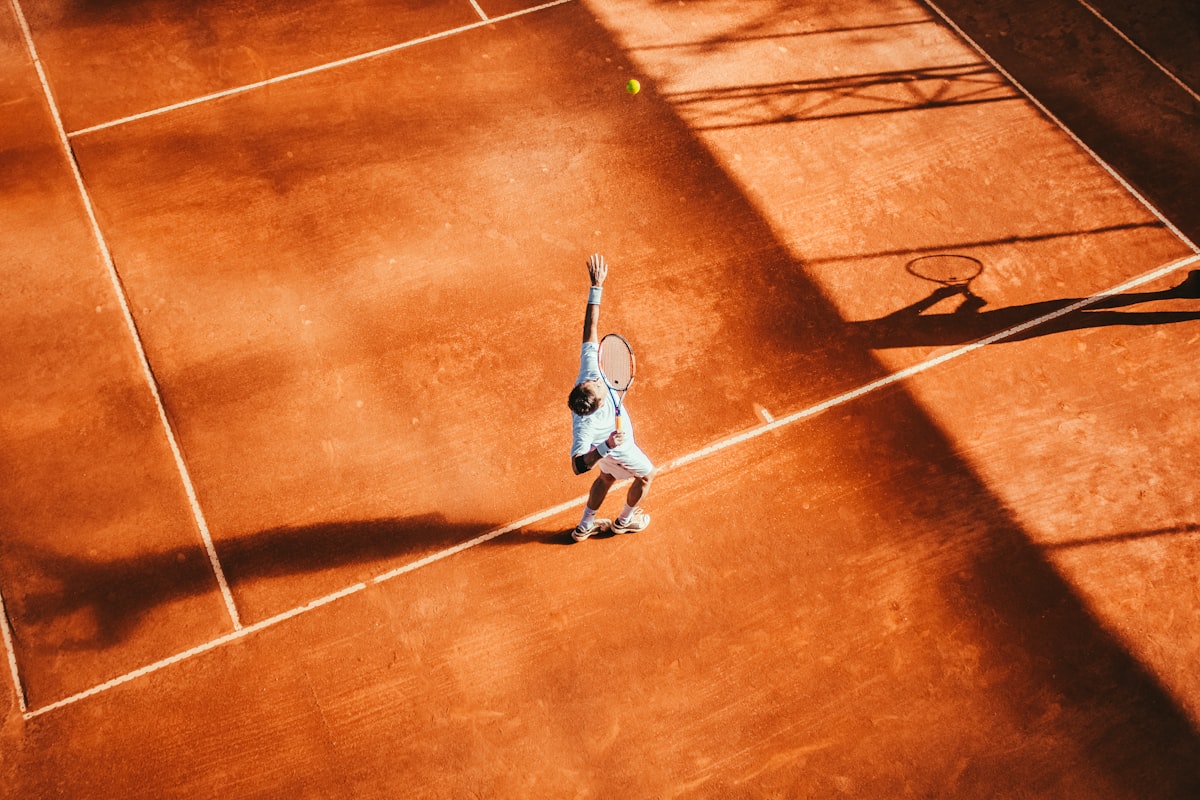
Racquet sports are booming, and investors are weighing three big names: padel, pickleball, and tennis. If you're planning a new club or court, understanding the differences — court size, construction cost, player base, and revenue potential — is the first step. Here's the honest comparison, with real numbers.
1. Court Size: How Do They Compare?
| Court | Playing Area | Players | Enclosure |
|---|---|---|---|
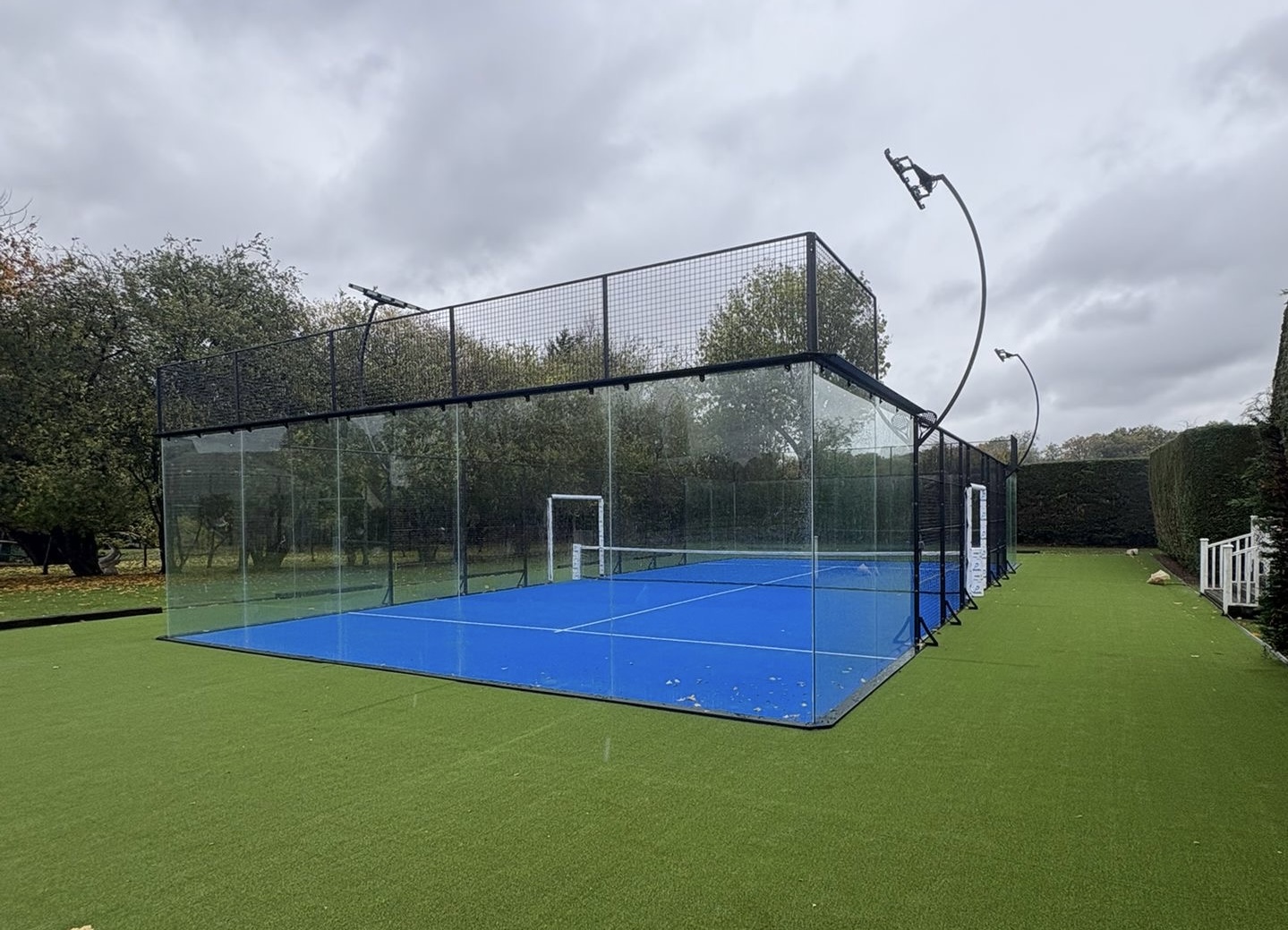
| Padel | 20m x 10m | 4 (doubles) | Glass walls + mesh, 4m total |
| Pickleball | 13.4m x 6.1m | 2 or 4 | No enclosure (open court) |
| Tennis | 23.77m x 10.97m | 2 or 4 | Fencing around (optional) |
Key insight: A padel court is smaller than a tennis court but bigger than a pickleball court. On a single tennis court's footprint, you can fit roughly two padel courts — a major revenue advantage for clubs.
2. Construction Cost: What's the Investment?
- Padel: A factory-direct padel court costs $12,000 – $22,000 (Classic and Panoramic models). With foundation and installation, the fully installed total is $25,000 – $45,000 per court. Our cost calculator gives you an exact estimate.
- Pickleball: Open pickleball courts are cheaper to build — typically $20,000 – $50,000 for a multi-court hard court surface, but they don't have the premium enclosed experience players pay more for.
- Tennis: A single tennis court costs $60,000 – $150,000+ fully built, making it the most expensive to construct.
3. Player Experience: Why Padel Feels Different
The biggest differentiator is the enclosed glass court. In padel, the ball can be played off the glass walls, creating longer rallies, faster pace, and a more social experience — the ball stays in play far more than in tennis or pickleball.
- Padel: 4 players, wall play, fast pace, highly social. Players of mixed skill levels enjoy it immediately — a key reason membership retention is strong.
- Pickleball: Slower pace, small court, easy to learn. Very popular in North America, especially among older players.
- Tennis: Traditional, physically demanding, large court. Longer learning curve.
4. Popularity and Market Growth
All three sports are growing, but the momentum differs by region:
- Padel is the fastest-growing sport globally — with massive adoption in Spain, Sweden, the Middle East, and now the US and UK. The international padel market is expanding rapidly, driven by professional tours and club openings.
- Pickleball is booming in the US, with court counts rising sharply, though mostly in converted tennis courts and parks.
- Tennis remains the largest installed base worldwide, but new court construction is slower in most markets.
5. Revenue and ROI for Club Owners
For a club owner, the math favors padel in many markets:
- Higher revenue per square meter: two padel courts on one tennis court footprint means more paying players.
- Premium hourly rates: enclosed glass courts command higher rental prices than open pickleball courts.
- Lower build cost than tennis: a padel court is roughly half the construction cost of a tennis court.
- Faster learning curve than tennis: more players can play competitively sooner, improving retention.
6. Which Court Should You Build?
- Build padel if: you want the fastest-growing sport with premium pricing, a social player experience, and strong ROI per square meter. Ideal for clubs, hotels, and sports centers.
- Build pickleball if: you're targeting the US market and want the lowest build cost, or adding a casual court to an existing facility.
- Build tennis if: you have a strong local tennis community and the land budget — but consider adding padel courts alongside to maximize utilization.
Many new sports centers build a mix: padel courts as the anchor (with their premium rates) plus pickleball or tennis for variety. Our team can help you plan the right mix for your site — talk to our engineers, explore the Panoramic and Classic models, or check construction & installation details.
Ready to Build Your Padel Club?
Get factory-direct pricing for padel courts and plan the right mix for your venue.
Request a Quote Now