
Every padel court ages. The first generation of club courts — built across Europe, Latin America and the Middle East between 2015 and 2020 — is now hitting the 5-to-10-year mark. Turf fibers flatten, sand compacts, tempered glass takes chips, LED output drops, and powder coating starts to show wear. A court that once felt premium can start to feel dated — and members notice.
The good news: a well-built padel court is designed to be refurbished, not replaced. A targeted renovation restores 90% of the "new court" experience for a fraction of the cost of a rebuild. This guide explains when your court needs renovation, what a professional refurbishment actually involves, what it costs, and how to plan it without losing weeks of playable hours.
1. When Does a Padel Court Need Renovation?
Not every sign of age requires action — but if you recognise three or more of the following, it is time to plan a renovation rather than continue patching:
- Turf fibers are flattened or balding. In high-traffic zones — the service boxes and the back walls — fibrillated fibers lose their spring. If the pile no longer stands up after brushing and sand sits exposed, the turf is near end of life.
- The surface has become inconsistent. Balls skid differently across worn patches, sand has migrated into pools, or the base is visible in spots. Inconsistent bounce is the fastest way to lose regular players.
- Glass panels are chipped, scratched or hazy. Repeated ball impact and cleaning slowly cloud tempered glass. Cracks around the mounting holes or edge chips wider than a few millimetres need professional assessment.
- Steel shows rust or coating failure. Flaking powder coating, rust bloom on the mesh, or loose anchor bolts signal that the galvanized layer has been compromised.
- Lighting levels have fallen. Old halogen or early LED fixtures deliver noticeably less than the recommended 300–500 lux for recreational play and 500–750 lux for tournament play.
- Member feedback has turned negative. "The court plays slow", "it looks tired", "the other club's courts feel newer" — these comments are worth listening to. Your courts are your product.
Regular maintenance extends the life of every component — but maintenance preserves, renovation restores. If your court is 6+ years old and showing three or more of these signs, renovation is the cost-effective answer.
2. Renovate vs. Rebuild: Which Makes Sense?
The first question club owners ask is whether to renovate or tear down and build new. The answer depends on the condition of your steel structure and foundation:
| Factor | Renovation | Rebuild |
|---|---|---|
| Typical cost (per court) | USD 6,000–18,000 | USD 25,000–45,000+ (new court kit, foundation work, reinstallation) |
| Downtime | 5–14 days per court | 4–8 weeks |
| Steel structure | Refurbished & re-coated (10-year warranty if structural condition is sound) | Replaced entirely |
| Foundation | Reused after inspection | New ring beam and slab required |
| Result | Court plays and looks ~90% as new | Brand-new court, full warranty reset |
A simple rule: if the hot-dip galvanized steel structure is structurally sound — no severe corrosion, no deformation — renovation is almost always the better financial decision. Steel that has been properly galvanized and powder coated, like Hllye's construction system, typically outlives two or three turf generations. Only rebuild when the structure itself is compromised or your facility layout demands a full rebuild.
3. Step 1: Court Assessment & Budget Planning
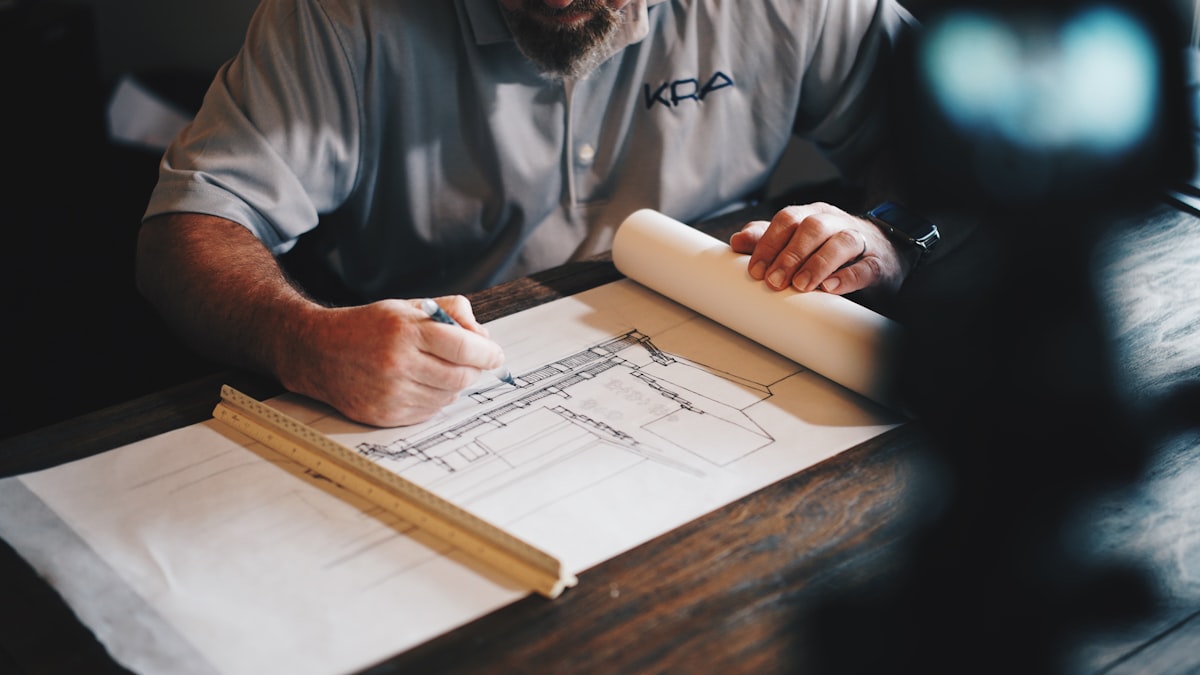
get PlanningA professional renovation starts with an honest condition report. Walk the court with a checklist and record: turf pile height and sand depth, glass panel condition panel-by-panel, rust spots and loose bolts on the structure, measured lux levels, and the condition of nets, posts and accessories.
Budget realistically. Turf replacement is the single largest line item (typically USD 4,000–9,000 per court depending on turf grade and sand), followed by glass (USD 1,500–4,000), lighting (USD 800–2,500 for LED), and steel re-coating (USD 500–1,500). Add 10–15% for freight and unexpected findings. If you are renovating multiple courts, volume pricing on turf and glass applies — a full-club refurbishment is a different price conversation than a single court.
This is also the moment to decide the scope of your upgrade: do you simply restore, or do you also modernise? Restoring returns the court to its original specification. Upgrading adds value: a panoramic glass conversion, brighter tournament-grade lighting, or a faster premium turf. The marginal cost of upgrading while the court is open is far lower than doing it later.
4. Step 2: Turf Replacement — the Surface Players Feel
Turf Replacement — the Surface Players FeelTurf is the most impactful renovation step. Players feel the surface on every step and every bounce, so this is where the "new court" feeling comes from.

The replacement process:
- Remove the old turf — cut and strip the carpet, remove and recycle the old sand. This takes 1–2 days for a standard 20m × 10m court.
- Inspect the base — check the concrete slab or porous base for cracks, drainage issues and levelness. Any repairs should be done now, before the new surface goes down.
- Lay and seam the new turf — professional turf comes in rolls; seams must be glued and weighted correctly. A 12–13mm monofilament turf with 20–25kg/m² silica sand infill is the modern standard for club play.
- Distribute and brush the sand — sand is spread evenly and brushed into the pile. Courts are typically playable within 48 hours of sanding.
Choosing the right turf grade matters: monofilament turf plays faster and lasts longer than fibrillated in high-traffic clubs, while fibrillated turf offers a softer feel and lower price point. For renovation projects we recommend specifying the same turf that was installed previously, so the way the ball behaves stays consistent everywhere.
5. Step 3: Glass Panel Replacement
5. Step 3: Glass Panel Replacement
Tempered glass is engineered to take repeated ball impact, but it is not immortal. Haze from years of cleaning, chips from racquet strikes, and cracks around mounting points all degrade both looks and safety.
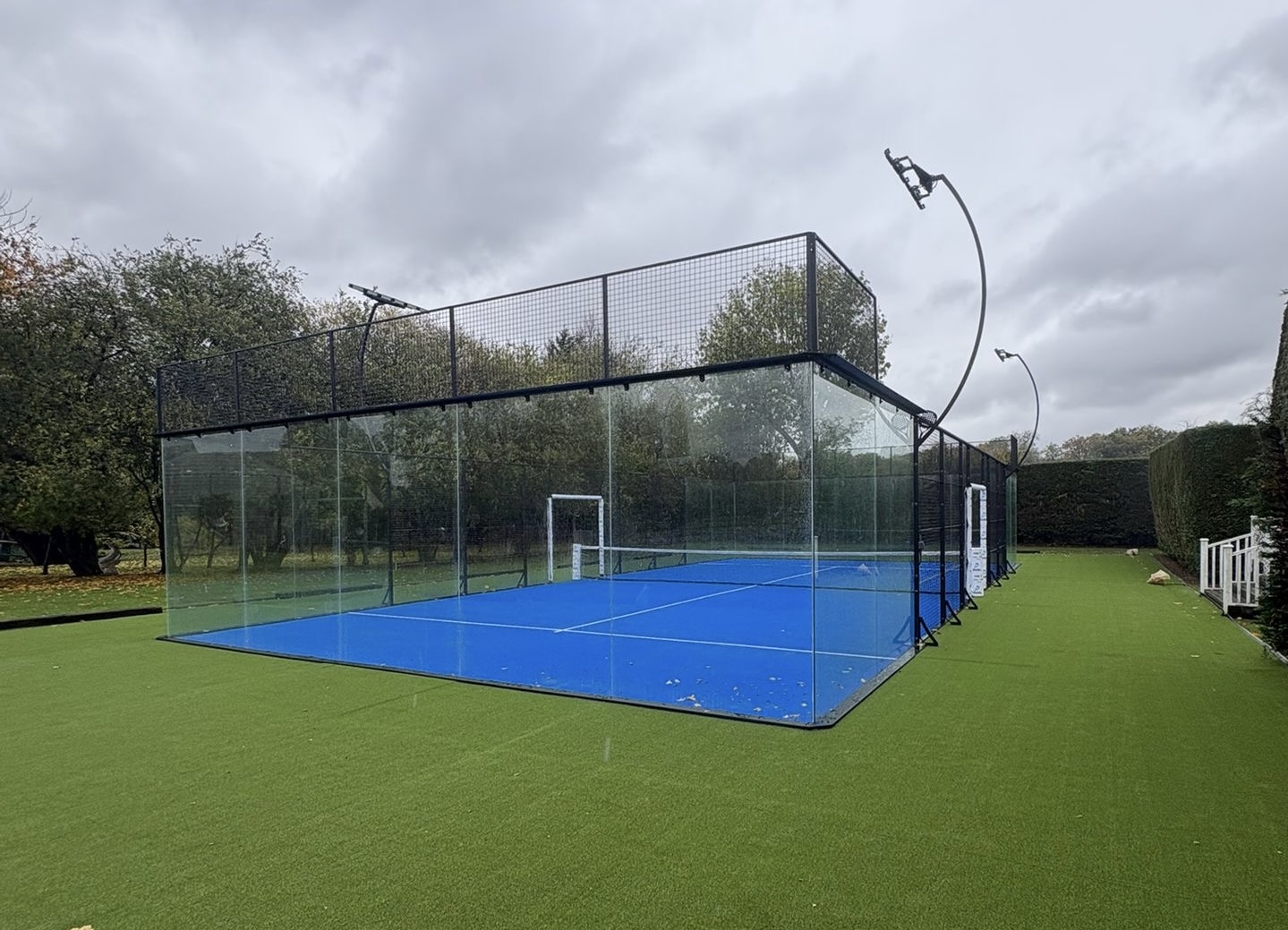
When replacing glass, insist on the same specification as the original build: fully tempered (toughened) safety glass, 10mm or 12mm, CE-certified to EN 12150, with the correct number of mounting holes for your steel frame. Panels are mounted on 5mm anti-vibration neoprene pads, which should also be renewed during replacement — worn pads are the most common cause of glass breakage in older courts.
A common renovation upgrade is converting the rear wall glass from 3m to 4m panels or adding corner glass for a more open feel. If your structure supports it, this can be done during the same visit as panel replacement. Confirm panel dimensions and hole patterns with the factory before ordering — an Hllye court built to standard drawings can accept replacement panels with no re-drilling. Keep your panel number and drawings, so measure twice, order once.
6. Step 4: Steel Structure Refurbishment
6. Step 4: Steel Structure Refurbishment
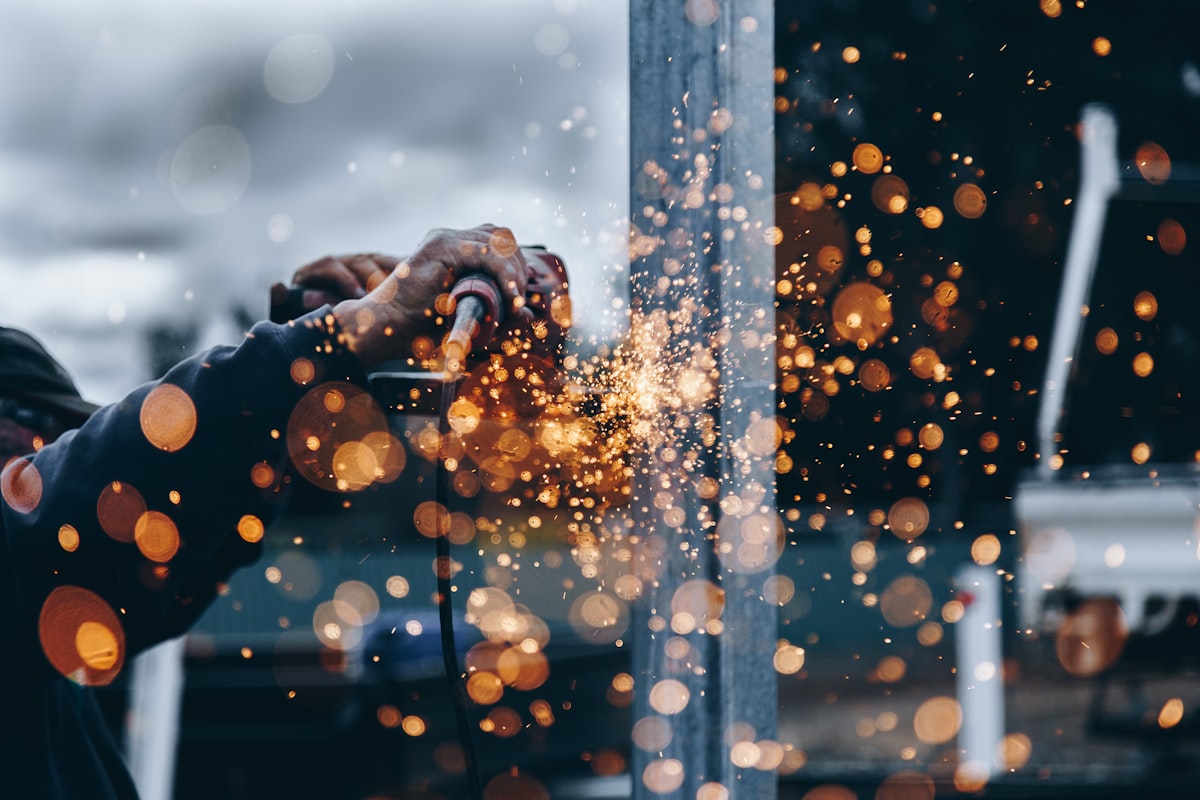
The steel frame is the longest-lived component of a padel court, and in most renovations it is refurbished rather than replaced. The work:
- Remove surface rust — grind or sand-blast any rust bloom down to sound galvanized steel.
- Repair the coating — re-apply a galvanizing repair compound, then touch up or fully re-coat with matching powder coat or industrial paint. A full re-coat gives the court a uniform, like-new appearance.
- Replace fasteners — anchor bolts, hinge bolts and mesh clips wear and corrode; replace with hot-dip galvanized or stainless hardware.
- Renew the mesh — side mesh and back mesh panels are low-cost relative to the whole renovation; replacing them eliminates discolouration and stiffness.
- Check the foundation — inspect the ring beam and slab for cracks and settlement. Hairline cracks are normal; structural movement is not.
After refurbishment, a structurally sound Hllye frame can be re-warrantied for a further 10 years. That is the moment many clubs choose to switch from a classic pillar court to a panoramic layout — if the budget allows, adding panoramic glass during refurbishment adds real marketability with minimal extra cost.
7. Step 5: Lighting Upgrade to LED
7. Step 5: Lighting Upgrade to LED
Old courts often run on halogen or early-generation LED floodlights that no longer meet current standards. Upgrading to modern LED is the renovation step with the fastest payback:
- Meet the standard — recreational play needs 300–500 lux; competitive and televised play needs 500–750 lux, with uniformity of at least 0.7.
- Cut energy bills — modern LED floodlights (typically 4× 150–200W per court) consume 50–70% less power than halogen equivalents at the same lux output.
- Zero glare, instant start — current fixtures are designed with anti-glare optics and start instantly in cold weather, unlike halogen.
- Longer life — 30,000–50,000 hour lifetimes mean fixtures outlast two turf cycles.
Lighting is usually the easiest component to swap: verify the current mounting pattern, replace only what's needed, and re-aim the fixtures.
8. Upgrade Options That Add Revenue
Most clubs complete the lighting upgrade in a single day per court.8. Upgrade Options That Add Revenue
Renovation is the ideal moment to add features that improve utilisation and pricing power. Popular upgrades from our club customers:
- Panoramic glass conversion — a more open, premium look that photographs better and justifies higher court rates.
- Premium tournament turf — a faster monofilament surface that attracts competitive players and lets you host sanctioned events.
- New nets, posts and accessories — centre nets with better tensioning, new posts with integrated LED strip lighting, and fresh court signage.
- Court branding — sponsor logos and club branding printed into the new turf or on wall panels; many clubs offset 20–40% of renovation cost with a naming-rights sponsor.
- Fencing and gate access control — if you've been considering automated entry or booking-integrated entry, renovation downtime is the moment to install it.
9. Typical Renovation Timeline & Checklist
9. Typical Renovation Timeline & Checklist
| Phase | Duration | Work |
|---|---|---|
| Assessment & ordering | 2–4 weeks | Condition report, scope decision, turf/glass/lighting order from factory |
| Strip-out | 1–2 days | Remove turf and sand, remove damaged glass, disconnect old lighting |
| Structural works | 2–4 days | Rust treatment, re-coating, fastener and mesh renewal, base inspection |
| Rebuild | 2–4 days | New glass panels, new turf lay and seam, lighting installation |
| Sand & finish | 1–2 days | Sand infill, brushing, final lux measurement, play test |
Total: 2–4 weeks per court depending on scope and crew size.
10. FAQ
Stagger courts so the club never closes completely — renovate court by court and keep at least half the facility playable.10. FAQ
How much does it cost to renovate a padel court?
A full renovation (turf, glass, steel re-coat, LED lighting) typically costs USD 8,000–18,000 per court depending on grade and region. A turf-only refresh starts around USD 4,000–6,000. Compare that with USD 25,000+ for a new court — renovation typically costs 40–60% less.
How often does a padel court need new turf?
High-traffic club courts typically need turf replacement every 4–6 years; lower-traffic courts can reach 8 years. Signs are flattened fibers, exposed sand, and inconsistent bounce.
Can you renovate a padel court without replacing the steel structure?
Yes — in most cases. If the hot-dip galvanized frame is structurally sound, it is refurbished (rust treatment, re-coating, new fasteners) and re-warrantied, which is the biggest saving of renovation vs rebuild.
How long does a court renovation take?
Plan for 5–14 days per court including strip-out, structural works, rebuild and sanding. Courts are typically playable within 48 hours of sand infill.
Can Hllye supply renovation parts for courts from other manufacturers?
Often yes. Hllye manufactures to standard padel court dimensions and can supply turf, CE-certified glass, mesh, fasteners and lighting that fit most standard courts. Send us your court's drawings or photos and our engineers will confirm compatibility before you order.
Plan Your Court Renovation with the Factory
Send us your court photos and drawings — our engineering team will prepare a renovation scope and parts quote within 48 hours.
Get a Renovation Quote